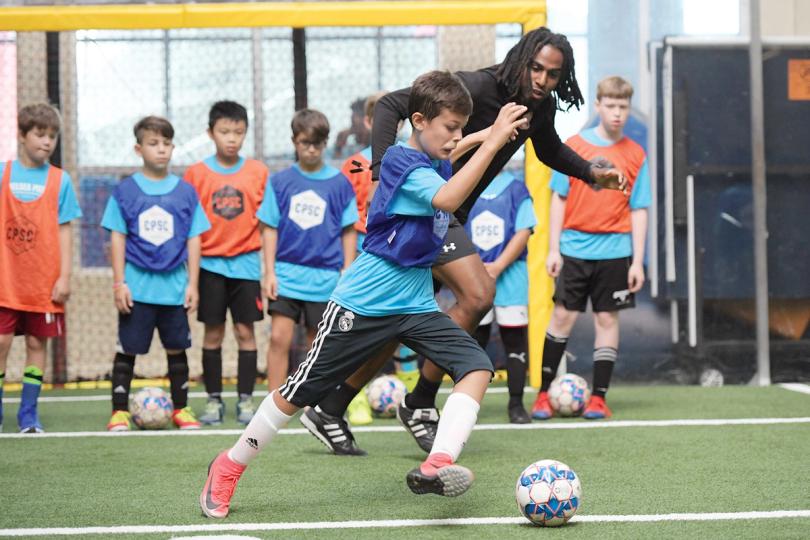
Kids' Soccer in Manhattan
Every level, every age—find their team at Chelsea Piers.
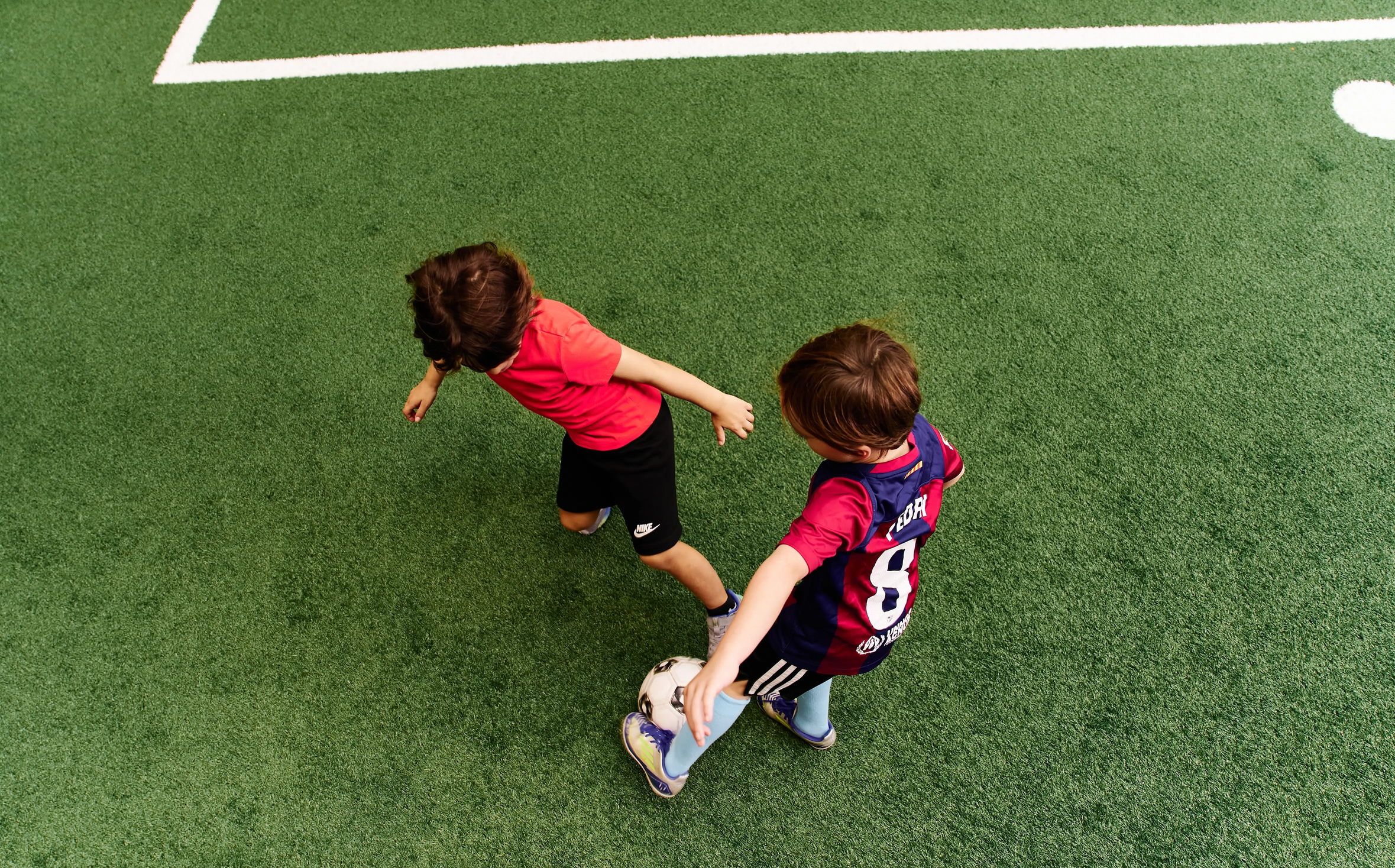
Soccer at Chelsea Piers
Their love for the game happens here
2
years starting age
From first kick to game day.
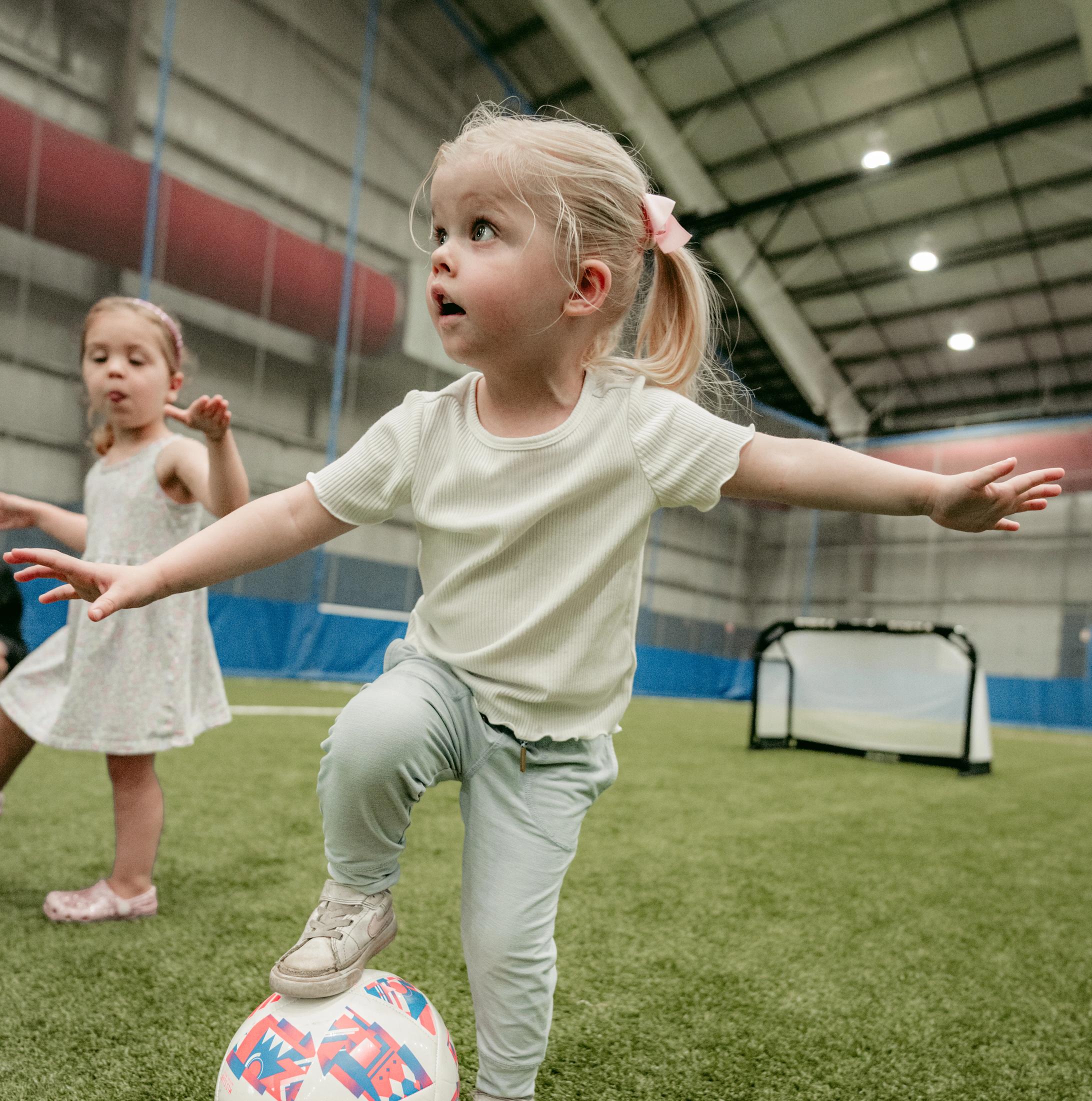
A sport for life, played everywhere.
Soccer is one of the most socially and cognitively demanding games a child can play. There are no timeouts. Every player is making decisions constantly, without a coach in their ear—reading the field, anticipating movement, deciding in a fraction of a second. That kind of independent thinking under pressure is rare in youth sports and transfers well beyond them.
First Touches
Ages 2 – 5 years · Co-Ed
Building Skills
Ages 5 – 14 years · Co-Ed and Girls-only options
Competitive Pathway
Ages 5+ · Invite-only and club programs
Not sure which level is right for your child? We're here to help.
Contact usMore soccer, more ways
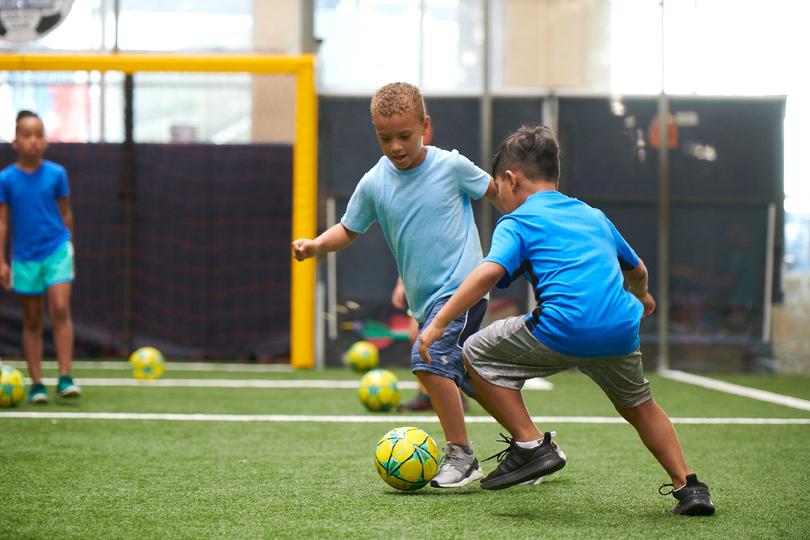
Summer Camps

Private Lessons
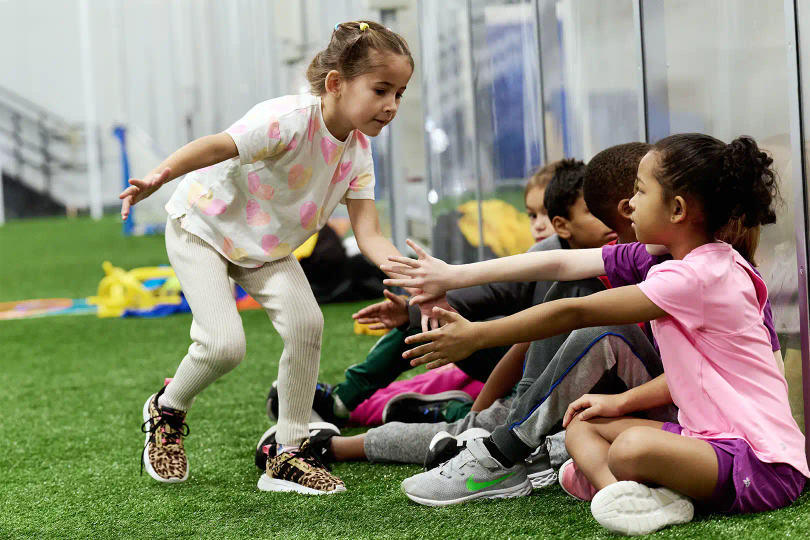
School Break Camps
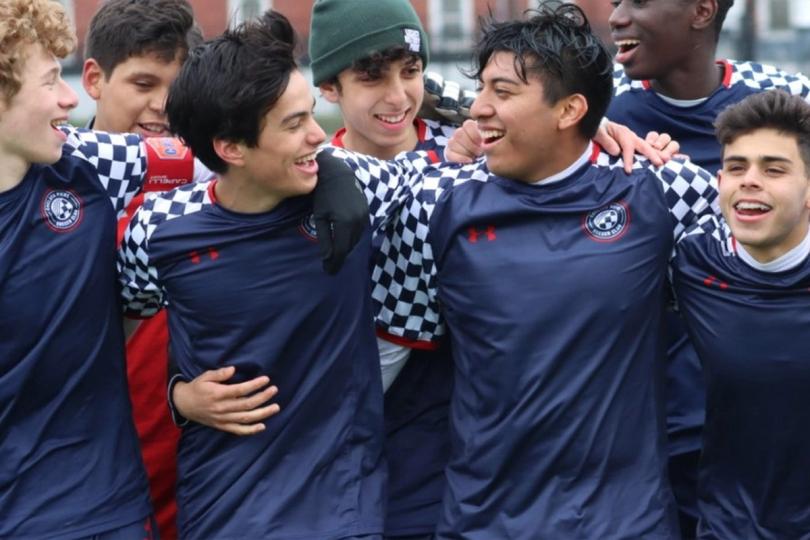
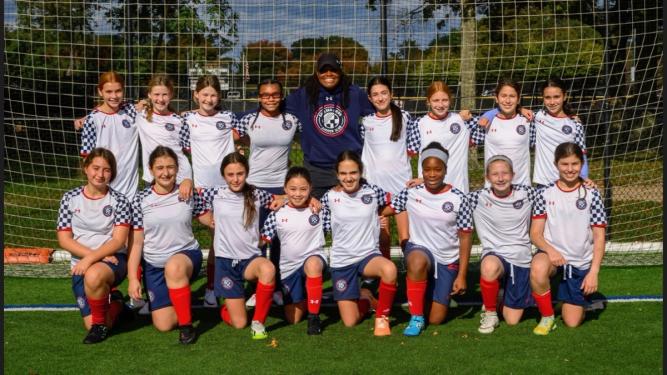
Chelsea Piers Soccer Club (CPSC)
What parents say
Trusted by thousands of families.
He learned a lot, coach was great and loved that they really played a game each time. Cruz began to really get the rules of the game. He always talks about the game and the goals each team made.
Ray really enjoyed it, and I could see how he was learning real skills all while playing and having fun with his teammates. He likes staying after class to play more soccer with his friends from the class.
Daniel is shy and they adapted to him to make him build his confidence and then he fully participated. He loves the coaches.
We feel like James had so much fun and also learned a lot. Coach Ezekiel and Coach Dennis have an amazing command of the kids. We’ve been really impressed with both the basketball programs and the soccer programs. Both our children have thrived.
Meet our soccer coaching team

Frequently Asked Questions
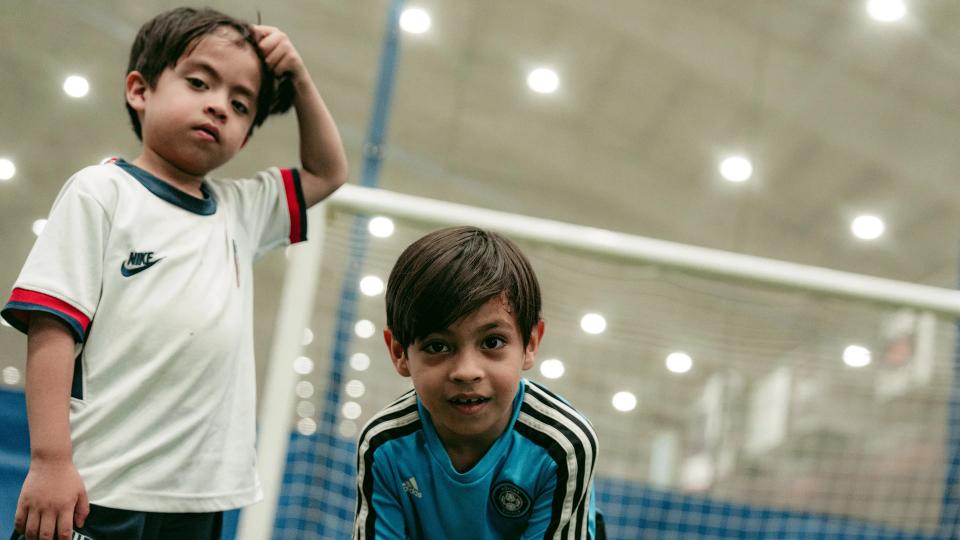
At Chelsea Piers, kids can start soccer as young as 2 years old with our Micro Soccer Tikes class, which introduces toddlers to the game in a fun, nurturing environment with caregiver participation. From there, children can progress through our Micro Soccer Spikes program and beyond as they grow and develop their skills.